
“Streamlining Egg Processing Operations in 2024”
February 2024
Egg-cellent Emerging Trends for the Egg Industry
Executive Summary:
As we step into 2024, the egg industry is facing a dynamic and evolving market shaped by five key trends. This whitepaper explores the impact of these trends on producers and provides actionable insights to capitalize on emerging opportunities. From the growing demand for pasture-raised and organic eggs to the rise of innovative products, sustainable packaging, and the emphasis on local and transparent sourcing, producers must adapt to meet consumer expectations for ethically sourced, high-quality, and environmentally conscious egg products.
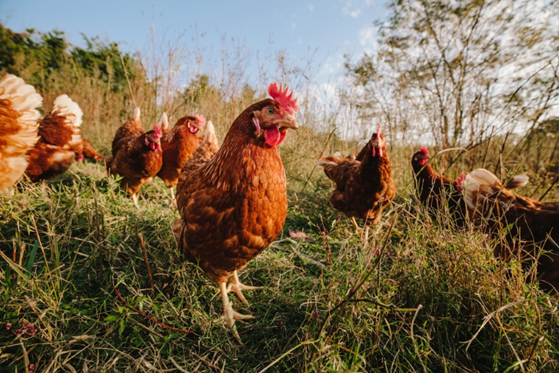
Growing Demand for Pasture-Raised Eggs
America’s Egg farmers are currently in the middle of “what may prove to be the biggest evolution in our industry’s history,” writes Emily Meta of the American Egg Board. Whether it is Cage Free, Free Range, or Pasture Raised American farmers are committing time and resources to transitioning their operations to better embrace Animal Welfare and Sustainable Practices.

Most specifically the industry is realizing the increasing popularity of pasture-raised eggs, reflecting a consumer shift towards ethically sourced products. Egg Producers can benefit by reevaluating farming practices to meet the demand for eggs from hens with access to open pasture. Adapting to these expectations not only aligns with consumer values but also enhances the overall image of the producer as environmentally and socially responsible.
Recommended Producer Actions:
- Evaluate current farming practices to incorporate elements of pasture-raising for hens.
- Communicate the transition to pasture-raised eggs transparently to build consumer trust.
- Explore certifications like “Certified Humane” and include labeling that highlight commitment to animal welfare and sustainable farming.
The Rise of Organic Eggs
According to a Comprehensive Research Report by Market Research Future (MRFR),” Organic Eggs Market Information By Application, By Distribution Channel, By Size, and By Region – Forecast till 2032”, Organic Eggs Market is set to grow at a rate of 12.50% between 2023 and 2032. This rate puts global market to grow to USD 10.7 billion by the end of the year 2032. The persistent rise in demand for organic eggs underscores consumers’ increasing focus on health and food quality. Producers can leverage this trend by transitioning or expanding into organic egg production, offering a premium product that resonates with health-conscious consumers willing to pay a higher price.
Recommended Producer Actions:
- Assess the feasibility of transitioning to or expanding organic egg production.
- Invest in organic certifications like USDA Organic and clearly communicate the adherence to organic standards.
- Collaborate with retailers to effectively market organic eggs as a healthier and environmentally friendly option.

Innovative Egg Products
The demand for innovative egg products presents a unique opportunity for producers to diversify their offerings and cater to consumers seeking convenient, ready-to-eat options. This includes pre-packaged omelets, egg bites, and other ready-to-eat options. Additionally, there is a growing interest in egg-based alternatives to traditional dairy products, like egg-based yogurt and mayonnaise. Producers can explore product development and partnerships to stay at the forefront of this trend.
Recommended Producer Actions:
- Consider implementing a dedicated research and development team to explore and create innovative egg products.
- Collaborate with packaging experts to ensure that innovative products align with sustainable packaging trends.
- Establish an HACCP program to mitigate risk and maintain consumer confidence in egg products.
Sustainable Packaging:

As consumers prioritize sustainable packaging, producers must adapt to meet these expectations. Shifting to environmentally friendly materials not only aligns with consumer values but also contributes to reducing the ecological impact of egg packaging.
Huhtamaki, a pioneer in molded fiber packaging technology, is introducing a line of fibre-based egg cartons crafted from 100% recycled material for egg producers in the United States. This initiative presents a sustainable alternative to traditional foam egg packaging in the U.S.
“We expect the demand for egg cartons in the USA to reach 4.3 billion packs in 2025. The market size presents a great opportunity for the egg producers looking to shift to fiber-based egg cartons ahead of legislation and bans on polystyrene foam packaging,” stated Tyler Hodges, Sales Manager for Huhtamaki North America.
Recommended Producer Actions:
- Investigate and implement sustainable packaging solutions, such as recyclable cartons or biodegradable options.
- Clearly communicate the shift to sustainable packaging to consumers to enhance brand image.
- Collaborate with packaging suppliers to stay abreast of emerging sustainable packaging technologies.

Local and Transparent Sourcing
Consumers’ preference for locally sourced and transparently labeled products presents an opportunity for producers to build trust and foster brand loyalty. Producers must emphasize their commitment building and implement a supply chain that is optimized for local and transparent sourcing and assessed annually for quality, safety and compliance.
Recommended Producer Actions:
- Clearly communicate the local origins of eggs through packaging and marketing materials.
- Invest in digital Supply Chain Quality Management system like RizePoint to provide a transparent view of the Quality, Safety and Compliance in their egg supply chain.
- Collaborate with local farmers and suppliers to strengthen ties to the community.
Conclusion:
The landscape of the egg market in 2024 presents both challenges and opportunities for producers. By understanding and strategically responding to the growing demand for pasture-raised and organic eggs, innovative products, sustainable packaging, and local and transparent sourcing, producers can position themselves as leaders in a market that values ethical practices, quality, and environmental responsibility. In this era of consumer-centricity, adaptation to these trends is not only a business imperative but also a pathway to sustained success and resilience in the ever-evolving egg industry.
Recent Comments