
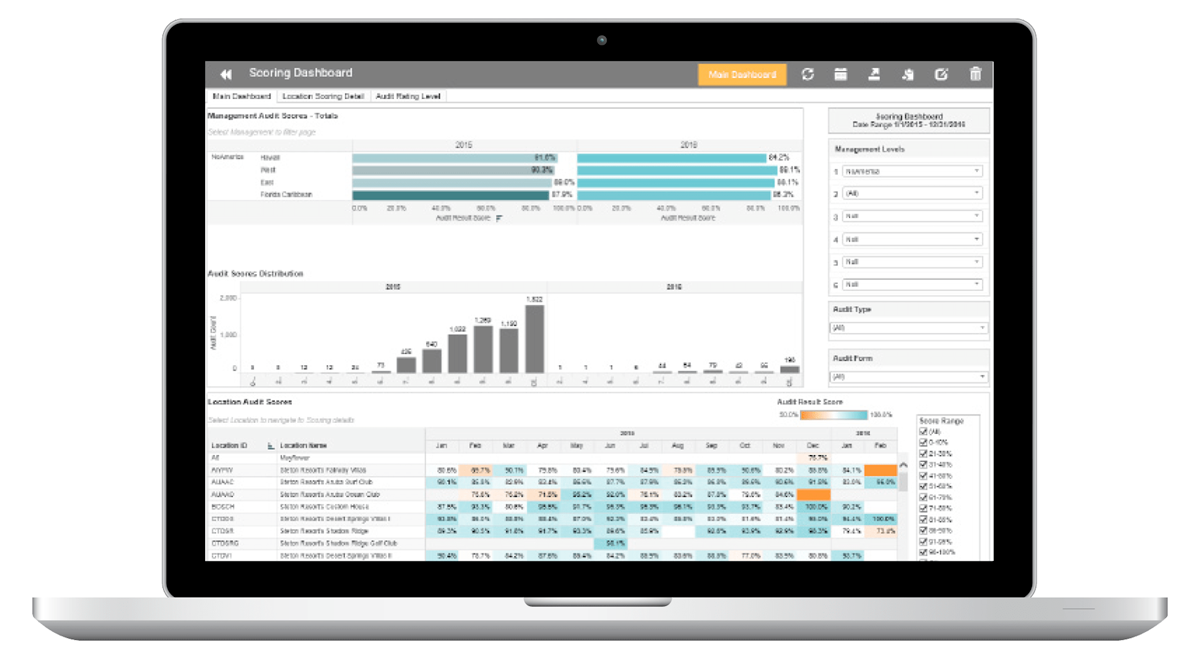
Buzzwords such as big data, data analytics, and business intelligence are constantly making headlines. It’s easy for smaller businesses to dismiss them as passing trends that wouldn’t really help the bottom line, but the market for these kinds of tools continues to grow (the big data and analytics market itself is expected to be worth $22.8 billion by 2020), and it’s growing for a reason. About 78% of enterprises agree that collection and analysis of big data have the potential to change fundamentally the way they do business over the next 1 to 3 years.
While some of the growth has begun to slow, research leader and advisory company Gartner, Inc. believes it’s because business intelligence tools have become more mainstream and plenty of companies are already using them. Companies of all sizes are finding the benefits of tools that turn their data and information into rabid fans and fierce profits, but can business Intelligence really help all kinds of companies, even the smaller ones?
Enterprises are adopting business intelligence tools and using data to make decisions, but helpful, well-organized information isn’t just the big guys — data-backed decisions can promote growth for any size of business. Here are the ways business intelligence tools are making huge impacts for all kinds of businesses.
Improved Customer Relationships
According to IDG, the number one goal of companies using data analytics is to improve customer relationships. Understanding customer wants, needs, and desires is the key to developing products and services that interest and captivate them. Using business intelligence tools, businesses can identify trends among customers, better understand their buyers, and use that information to develop the solid, lasting relationships that lead to sustained profitability.
More Innovation
Innovation and creative thinking doesn’t come from a vacuum, and data can help inform new ideas and give better direction to existing ones. Business decisions are no longer made without data to back them. When companies use business intelligence tools to drive decision-making, there are no risky decisions, only carefully calculated ones. According to Forrester, business intelligence leaders say that reporting continues to be the strongest driver of innovation for their firms. Data analytics tools can uncover unseen potential by pointing to process improvements people may have overlooked and by helping companies identify products and services that solve customer problems they may not have even been aware of.
Faster Decision Making
Some of the most successful companies are ones that can make decisions fast and act on them faster. Customer wants and needs change as quickly as the market does, and companies that adapt the quickest can benefit from market changes rather than being destroyed by them. According to Bain and Company, companies that use analytics well are expected to make decisions five times faster than their competition. This means data and business intelligence tools offer more opportunity for companies by enabling them to think fast then act faster.
Better Internal Coordination
Business intelligence tools don’t just help companies find ways they can improve products and services for customers, they can also uncover better ways for a company to communicate and coordinate internally. Questions like: “Where are the bottlenecks?” and “What processes can be improved and how?” aren’t so easily answered by unstructured data. Business intelligence tools allow decision-makers to organize information and get an eagle-eye view of where internal processes can be improved so that they can streamline operations and even anticipate issues, rather than just respond to them.
A Stronger Edge and Better Profitability
Taken together, the various benefits of business intelligence tools give businesses an amazing edge over their competitors and the ability to thicken margins. With BI tools, data is no longer unstructured and messy, it’s understandable, organized, and most importantly, actionable. Companies with BI tools can make decisions more quickly, understand their customers better, and take actions that benefit the company from top to bottom. Better operations, happier customers, and more innovative products all lead to better profitability as well as firm footing on the high ground above your competition.